

Trezor cuts authorized reseller network following supply-chain incidents
Trezor is reducing its network of authorized resellers to tighten oversight following recent supply-chain attacks in the hardware wallet sector, emphasizing that no Trezor devices have been compromised.
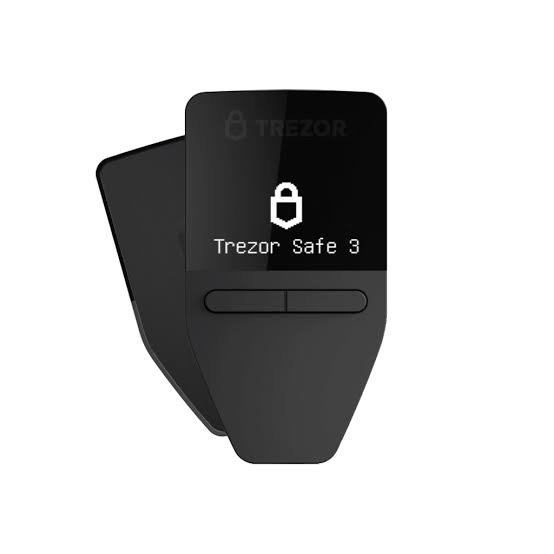
Hardware wallet maker Trezor announced it is reducing its network of authorized resellers to maintain tighter vetting and oversight of distribution partners. In a partner letter shared on X, Trezor Chief Commercial Officer Danny Sanders described the decision as a preventive step taken out of an abundance of caution after recent supply-chain incidents across the hardware wallet industry, asserting that there is not a single piece of evidence indicating Trezor devices have been compromised.[1][2][3]
According to the letter, Trezor has halted new inventory shipments to dropped partners effective immediately. Those resellers may continue selling off existing stock through the Black Friday and winter holiday shopping periods until their authorization officially ends on January 1, 2027, when they will be removed from the authorized list. Sanders added that Trezor is also introducing an updated legal framework and stricter sourcing and storage standards for remaining partners.[1][3]
The restructuring comes four days after competitor Ledger opened an investigation into drained cryptocurrency wallets traced to devices distributed in Southeast Asia by reseller CryptoBilis, where one device was found to contain an unauthorized hardware implant. While onchain analysts have estimated losses from that incident between $93 million and over $103 million, Trezor confirmed it has stopped sales through CryptoBilis and has received no reports of tampered Trezor units from the seller.[2]
Key facts
- Trezor announced it is trimming its authorized reseller network to tighten vetting and oversight of distribution partners.
- Trezor Chief Commercial Officer Danny Sanders stated there is no evidence that any Trezor devices have been compromised, calling the change a preventive step.
- Resellers receiving the letter will lose their authorization on January 1, 2027, and receive no new stock, though they may sell remaining inventory through the 2026 holiday season.
- The decision followed an investigation by rival Ledger into drained wallets linked to reseller CryptoBilis, where an unauthorized hardware implant was detected and onchain analysts estimated losses between $93 million and more than $103 million.
- Trezor stated CryptoBilis has been removed from its reseller list with sales halted, adding it has received no reports of tampered Trezors from the vendor.
- Trezor previously experienced third-party vendor breaches at shipping provider ShipMonk, affecting 80,689 customers, and email provider Brevo, exposing about 347,000 addresses, neither of which affected Trezor wallets or internal systems.
Sources · 3 sources
- CB
Crypto Briefing@Crypto_BriefingPost on X ·
🚨NEW: Trezor is reducing its reseller network after recent supply-chain incidents. https://t.co/vRflCyintq
Open source - UN
UnchainedArticle ·
After Ledger’s Reseller Breach, Trezor Pares Back Who Can Sell Its Hardware Wallets Hardware wallet maker Trezor is shrinking the list of resellers allowed to sell its devices, the company announced on X on Tuesday, pointing to “recent supply-chain incidents” as the reason. A smaller network, Trezor said in the post, lets it “more effectively check those we work with.” The post did not give a number of resellers being dropped, name any of them, or set a date for the change. “Let us be very clear: there is not a single piece of evidence that Trezor devices have been compromised,” the company wrote. It described the decision as “a preventive step, taken out of an abundance of caution,” and thanked its sales partners “for the years of work putting Trezor in people’s hands.” Get Unchained’s crypto news in your inbox with the free Unchained Daily newsletter . What Came Before Trezor did not say which incidents it had in mind, and Tuesday’s post does not mention any other company or reseller. The announcement came four days after rival wallet maker Ledger opened an investigation into drained wallets traced to devices sold in Southeast Asia by the reseller CryptoBilis . Ledger said on Oct. 9 it had asked CryptoBilis to pause sales and shipments of Ledger devices, and said later that one affected user’s device contained an unauthorized hardware implant. Onchain analysts have put the losses at about $93 million to more than $103 million . Ledger has not confirmed a total. Trezor said in a reply on X on Monday that CryptoBilis was off its reseller list and that Trezor sales through it had stopped, adding: “We have no reports of tampered Trezors from CryptoBilis.” Trezor’s Vendor Breaches Trezor has also handled two breaches at outside vendors this year, neither of them a reseller. In August, it disclosed unauthorized access at its shipping provider, ShipMonk , and a September update raised the count of affected customers to 80,689 . In September, a breach at email provider Brevo exposed roughly 347,000 newsletter addresses, which attackers then used to send a phishing email. In both cases, Trezor said its own wallets and systems were not affected. Related Listen: Bits + Bips: Is Any Cold Wallet Safe? Inside the Coldcard Hack’s Wave Three The post After Ledger’s Reseller Breach, Trezor Pares Back Who Can Sell Its Hardware Wallets appeared first on Unchained .
Open source - BC
Bitcoin.com News@BitcoinNewsPost on X ·
JUST IN: 🔐 Trezor sharply reduces its reseller network following the Ledger supply-chain attack. "There is not a single piece of evidence that Trezor devices have been compromised," says Trezor's Chief Commercial Officer. 💬 https://t.co/1dkmij9NNA
Open source