

Global smartphone shipments fell 20% in third quarter to 14-year low amid memory shortage
Global smartphone shipments dropped 20% year-over-year in the third quarter of 2026, marking their lowest level since 2012 as an AI-driven memory chip shortage pushed up production costs and restricted device supply.
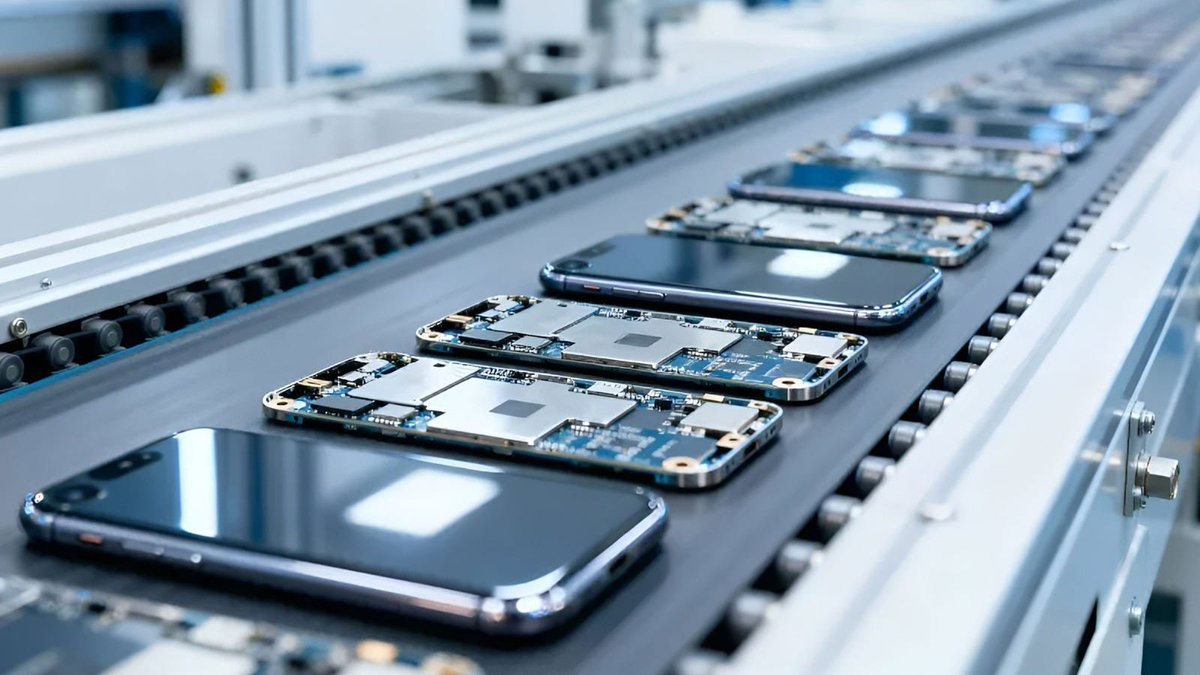
Global smartphone shipments dropped 20% year-over-year in the third quarter of 2026, recording their weakest third-quarter performance in 14 years, according to research from Counterpoint Research. The slump dragged shipments down to levels not seen since 2012, as escalating memory chip costs inflated bill-of-materials expenses and led to severe supply shortages for device manufacturers.[1][2][4][6]
The supply crunch has been fueled by heavy demand from artificial intelligence data centers, which have absorbed memory production and diverted supply away from phone makers. The resulting component squeeze is pushing handset production costs and retail prices higher, leaving budget smartphones especially vulnerable. In response, manufacturers have turned focus toward premium models and margin preservation, while consumers have begun holding onto their existing devices for longer periods.[3][4][5][7]
Samsung retained the top position in global shipments with a 23% market share, closely followed by Apple at 22%. The result marked the first time Apple's share exceeded 20% in any third quarter. In contrast, Xiaomi experienced a shipment decline of more than 30% as vendors prioritized profitability and margins over volume sales.[1][5]
Key facts
- Global smartphone shipments fell 20% year-over-year in Q3 2026, marking the weakest third quarter in 14 years and the lowest level since 2012.
- Rising memory chip costs inflated bill-of-materials expenses and deepened component shortages, significantly disrupting OEM shipments.
- AI infrastructure expansion diverted memory supply into data centers, driving up component costs and handset prices, with budget phones facing the greatest exposure.
- Samsung led the market with a 23% share in Q3 2026, followed by Apple at 22%.
- Apple's market share crossed 20% for the first time in any third quarter.
- Xiaomi shipments fell more than 30% in Q3 2026 as manufacturers prioritized margins over unit volumes.
- The chip shortage has pushed manufacturers toward premium devices while prompting consumers to keep devices longer.
Sources · 7 sources
- TE
Techmeme@TechmemePost on X ·
Global smartphone shipments fell 20% YoY in Q3 to a 14-year low amid memory shortages; Apple's share crossed 20% for the first time in any Q3, reaching 22% (Counterpoint Research) (Visit Techmeme dot com for the link and full context!)
Open source - TH
The Hindu@the_hinduPost on X ·
The increasing costs of memory chips pushed the global smartphone shipments down by 20% year-over-year (YoY) in Q3 2026, lowest since 2012, noted Counterpoint Research, which led to an inflated BOM (bill of materials) costs and deepened supply shortages, disrupting OEM shipments, significantly. https://t.co/SOCLEmJX6W
Open source - PO
Polymarket@PolymarketPost on X ·
JUST IN: Global smartphone shipments plunge 20%, marking the worst third quarter in 14 years as AI-driven memory shortages drive up prices.
Open source - CB
Coin Bureau@coinbureauPost on X ·
🚨MASSIVE: Global smartphone shipments plunge -20%, hitting their LOWEST third-quarter level in 14 YEARS as memory shortages squeeze manufacturers. Preliminary Counterpoint Research estimates put Q3 2026 shipments at their weakest level since 2012. The AI infrastructure boom is pulling memory production toward data centers, leaving phone makers battling tighter supplies and higher component costs. That pressure is pushing handset prices higher, with budget devices especially exposed.
Open source - *B
*Walter Bloomberg@DeItaonePost on X ·
GLOBAL SMARTPHONE SHIPMENTS PLUNGE 20% AS AI BOOM SQUEEZES CHIP SUPPLY Global smartphone shipments fell 20% in Q3, hitting their lowest third-quarter level since 2012, according to Counterpoint Research. AI data centers are absorbing memory chip supplies, driving up smartphone production costs and retail prices. Samsung leads with 23% market share, followed closely by Apple at 22%. Meanwhile, Xiaomi shipments plunged over 30%, as manufacturers prioritize margins over sales volumes.
Open source - TS
The Straits Times@straits_timesPost on X ·
Global smartphone shipments record worst third quarter in 14 years amid memory shortage https://t.co/FL1vOSKhnm
Open source - CB
Crypto BriefingArticle ·
Global smartphone shipments fall 20% in Q3 as AI drives chip shortages The AI-driven chip shortage is reshaping the tech market, pushing manufacturers toward premium models and consumers to hold devices longer. The post Global smartphone shipments fall 20% in Q3 as AI drives chip shortages appeared first on Crypto Briefing .
Open source