

Bank of Russia approves NAUFOR as first crypto self-regulatory body
The Bank of Russia has designated securities market association NAUFOR as the country's first self-regulatory organization to oversee cryptocurrency exchange operators and digital custodians.
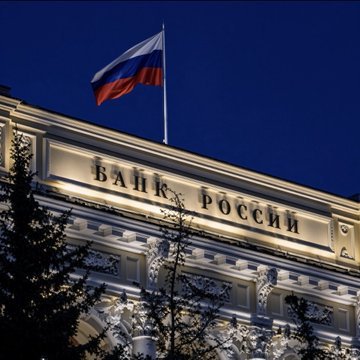
The Bank of Russia has granted official self-regulatory organization status to the National Association of Securities Market Players, known as NAUFOR, according to reports citing Interfax and central bank disclosures. Founded in 1996 to oversee brokers and dealers, NAUFOR will now establish standards for cryptocurrency firms and monitor their compliance.[1][2][3]
The appointment implements Russia's new crypto regulatory framework, which took effect September 1 and gives industry participants until July 2027 to secure licenses. Under the legislation, all registered crypto entities must join a recognized self-regulatory body within 90 days. The central bank's official registry currently lists 23 exchange operators and eight custodians, including major banking institutions Sberbank and VTB.[1][3]
While Russia maintains a ban on using cryptocurrencies to pay for goods and services domestically, everyday investors who complete a mandatory test can purchase up to 300,000 rubles (roughly $3,800) in digital assets per year through licensed platforms. Additionally, the Bank of Russia clarified that proposed limits on non-custodial wallets will not apply to cross-border settlements.[1][2]
Key facts
- The Bank of Russia designated NAUFOR as the country's first self-regulatory body for cryptocurrency exchange operators and custodians.
- NAUFOR was established in 1996 and already acts as an oversight body for traditional brokers and dealers.
- Under Russia's new crypto legislation, registered crypto firms must join an approved self-regulatory organization within 90 days.
- The central bank's register includes 23 exchange operators and eight custodians, including Sberbank and VTB.
- Russia's crypto framework took effect September 1 and gives market participants until July 2027 to obtain licensing.
- Domestic crypto payments remain banned, though retail investors who pass a test may purchase up to 300,000 rubles (around $3,800) annually.
- The Bank of Russia clarified that proposed restrictions on non-custodial crypto wallets will not apply to international settlements.
Sources · 3 sources
- BS
BSCN@BSCNewsPost on X ·
Russia’s crypto exchanges now answer to a securities industry group The Bank of Russia has named NAUFOR, the national association of securities market players, as the first self-regulatory body for crypto exchange operators and crypto custodians, per Interfax. NAUFOR was founded in 1996 and already oversees brokers and dealers. It will now set standards for crypto firms and check that they follow them. The central bank's register includes 23 exchange operators and eight custodians, including VTB and Sberbank, which have 90 days to join. The step puts Russia’s new crypto law into practice. The law took effect September 1 and gives firms until July 2027 to get licensed. Paying for goods with crypto inside Russia stays banned, and everyday investors who pass a test can buy up to 300,000 rubles (about $3,800) a year through licensed platforms.
Open source - CP
Crypto Patel@CryptoPatelPost on X ·
🇷🇺 RUSSIA OFFICIALLY RECOGNIZES CRYPTO SELF-REGULATION Russia’s central bank has granted NAUFOR official SRO status to oversee digital depositories and crypto exchange operators. Meanwhile, the Bank of Russia clarified that restrictions on non-custodial crypto wallets would not apply to international settlements under the proposed framework. Source: Bank of Russia, Interfax & TASS.
Open source - BM
Bitcoin Magazine@BitcoinMagazinePost on X ·
JUST IN: 🇷🇺 Russia's central bank approved NAUFOR as a self-regulatory body for crypto exchanges and custodians. 👀 Russia's new crypto law requires all registered crypto firms to join a self-regulatory organization within the next 90 days. https://t.co/pchpFYg6KP
Open source