

Nokia CEO says AI data centers would expand twice as fast without supply bottlenecks
Nokia CEO Hotard rejected suggestions of an artificial intelligence overbuild, asserting that data centers would be constructed twice as fast if not for constraints on memory and power availability.
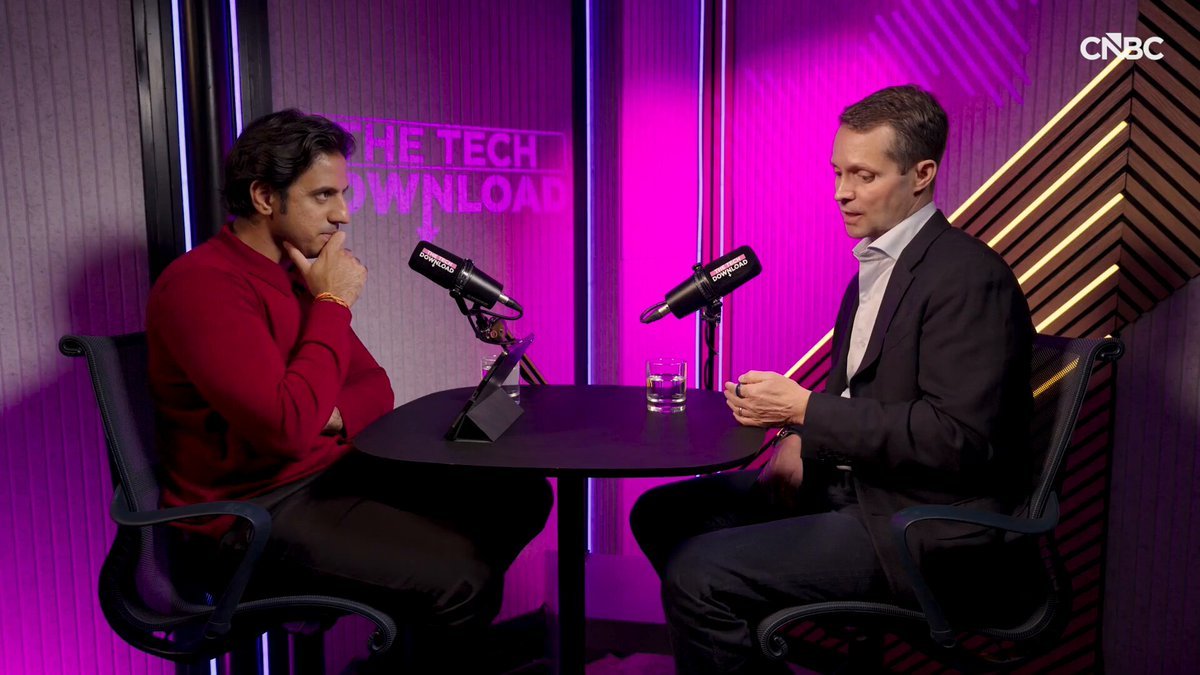
Demand for artificial intelligence infrastructure remains strong enough that data centers would be constructed twice as fast if not for severe supply constraints, according to Nokia CEO Hotard in a CNBC interview. Pushing back against claims of an overheating market, Hotard stated, "I don't think you can say in any manner we're overbuilding today," adding that if Nokia and its customers could build twice as fast, "they probably would."[2][5][1]
Hotard identified memory shortages and energy availability as the primary limits holding back expansion, noting that the ongoing supply challenges give him confidence the industry is still in the early days of the AI infrastructure cycle. Highlighting the scale of the memory squeeze, The Next Web reported that DDR5 memory prices in Germany surged 414% in a single year, while Crypto Briefing noted that data center supply bottlenecks underscore an urgent need for innovation in power solutions and semiconductor manufacturing.[2][3][4]
The chief executive also argued that continued infrastructure momentum does not depend on immediate breakthroughs from model developers. Even if no new frontier model were released over the next three years, Hotard said, the industry could still achieve tremendous progress simply by deploying the technology that exists today.[2][1]
Key facts
- Nokia CEO Hotard stated that data centers would be built twice as fast if supply constraints were eliminated.
- Hotard identified memory shortages and power availability as the major constraints impeding AI data center construction.
- Hotard rejected suggestions of an AI bubble, arguing the sector is not overbuilding and is still in the early days of its buildout.
- Hotard said AI progress could advance significantly with current technology even if no new frontier models arrive for three years.
- DDR5 memory prices in Germany increased by 414% over one year, according to The Next Web.
Sources · 5 sources
- QU
Quartz@qzPost on X ·
AI data centers could be built twice as fast — one thing is stopping them Nokia's CEO says the AI buildout isn't overheating — it's supply-constrained, and demand is so strong that even a three-year pause on new frontier models wouldn't #AIInfrastructure #NokiaCEO #DataCenters https://t.co/VI7w9Ofxik
Open source - WS
Wall St Engine@wallstenginePost on X ·
Nokia $NOK CEO Hotard says AI infra demand remains strong and supply constraints are the main thing slowing the buildout “I don’t think you can say in any manner we’re overbuilding today” “If we could build 2x faster, our customers could build 2x faster, they probably would” Hotard said that gives him confidence “we’re still in the early days” of the AI buildout. He also argued demand does not depend on constant releases of new frontier models: “Even if we didn’t have another frontier model released in the next three years, we could probably make tremendous progress just deploying the technology that’s there today.” Memory shortages and power availability remain among the biggest constraints. Source: CNBC / ht @ArjunKharpal
Open source - TN
TNW@thenextwebPost on X ·
DDR5 prices in Germany rose 414% in a year. Nokia's CEO says the industry would build data centres twice as fast if memory and energy allowed. https://t.co/yOTWcD8okU https://t.co/ErEbVNReVO
Open source - CB
Crypto BriefingArticle ·
Nokia CEO says AI data centers could be built twice as fast without supply limits Supply constraints in AI data centers highlight the urgent need for innovation in chip production and energy solutions to meet growing demand. The post Nokia CEO says AI data centers could be built twice as fast without supply limits appeared first on Crypto Briefing .
Open source - CN
CNBC@CNBCPost on X ·
Nokia CEO says data centers would be built '2x faster' without supply constraints https://t.co/6iR0ocNx9F
Open source