

Nigeria central bank sets stablecoin licensing rules and capital floors
The Central Bank of Nigeria has introduced a licensing framework for stablecoins, setting minimum capital requirements of up to 15 billion naira, barring yield payments, and banning algorithmic tokens.
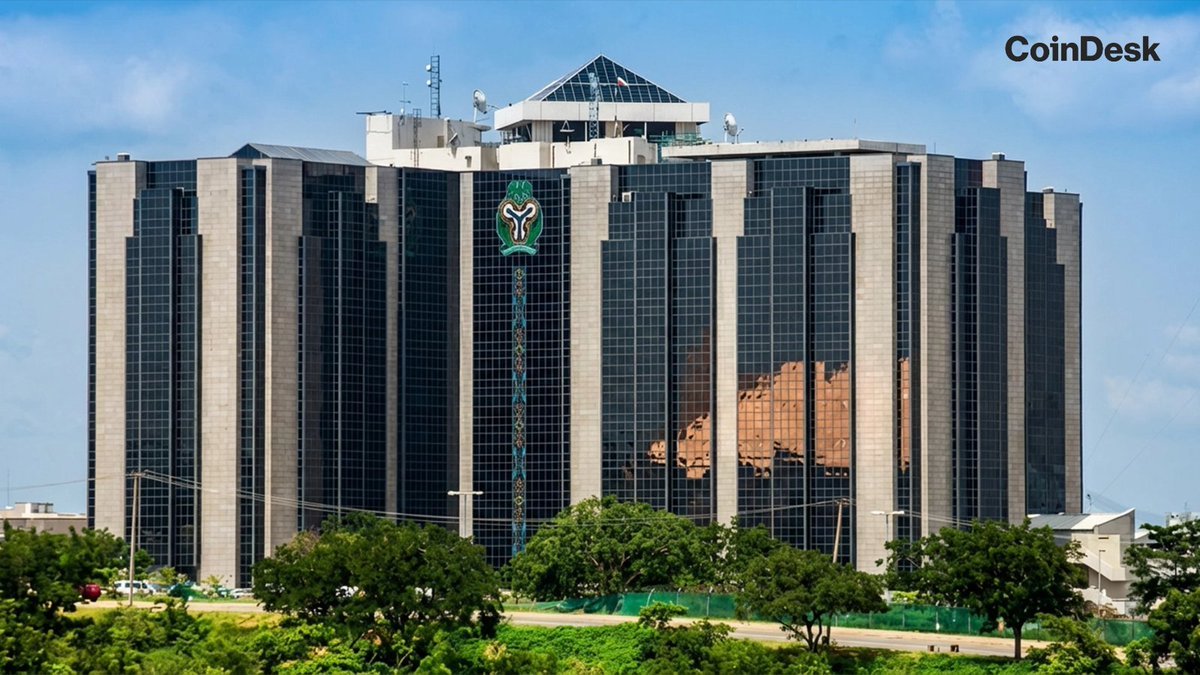
The Central Bank of Nigeria has established a regulatory framework for virtual assets that mandates licensing for stablecoin issuers and tightens rules on peer-to-peer crypto transactions, according to Nairametrics and The Block. Under the guidelines, which took effect Nov. 5, issuers are required to incorporate locally in Nigeria and secure regulatory approval before issuing any tokens.[2][4][6][8][9]
The framework establishes two licensing tiers: Class 1 licenses for naira-referenced stablecoins and Class 2 licenses for foreign-currency-pegged assets, The Block reported. Foreign-currency token issuers must maintain at least 15 billion naira—roughly $11.16 million—in paid-up capital, while naira-backed issuers face a 10 billion naira threshold, according to reporting by crypto.news and Cointelegraph.[1][2][5][7][9]
The central bank explicitly banned algorithmic stablecoins, barred issuers from distributing yield to holders, and mandated fully backed reserves alongside an additional 2% reserve buffer, Laura Shin and CoinDesk reported. Existing operators have been given a 180-day grace period to comply with the rules.[3][4][5][8]
Key facts
- The Central Bank of Nigeria's stablecoin rules took effect on Nov. 5.
- Issuers must incorporate in Nigeria and receive regulatory token approval prior to issuance.
- The framework establishes Class 1 licenses for naira-referenced stablecoins and Class 2 licenses for foreign-currency tokens.
- Foreign-currency stablecoin issuers require 15 billion naira (approximately $11.16 million) in paid-up capital, while naira-backed issuers face a 10 billion naira floor.
- Algorithmic stablecoins are banned, and issuers cannot pay yield to holders.
- Issuers must maintain fully backed reserves plus a 2% reserve buffer.
- Existing stablecoin operators have 180 days to comply with the new licensing regime.
- The new rules also tighten oversight on peer-to-peer crypto transactions.
Sources · 9 sources
- TW
The Wolf Of All Streets@scottmelkerPost on X ·
JUST IN: 🇳🇬 NIGERIA'S CENTRAL BANK SETS A $11.16M PAID-UP CAPITAL FLOOR FOR FOREIGN STABLECOIN ISSUERS https://t.co/ev5lPboAKv
Open source - NA
Nairametrics@NairametricsPost on X ·
BREAKING: CBN sets N15 billion capital requirement for foreign stablecoin issuers, tightens P2P crypto rules https://t.co/riqVUsRpQs https://t.co/W9rvyu3ebf
Open source - CO
CoinDesk@CoinDeskPost on X ·
JUST IN: Nigeria’s Central Bank introduces stablecoin licensing rules, banning algorithmic stablecoins, requiring separate licenses for naira and foreign-currency stablecoins, and giving existing operators 180 days to comply. https://t.co/nNyFIUTY5e
Open source - LS
Laura Shin@laurashinPost on X ·
Nigeria’s new stablecoin rules, in effect since Nov. 5, ban algorithmic tokens, bar issuers from paying yield to holders and require a 2% reserve buffer on top of full backing, per the Central Bank of Nigeria. https://t.co/CzFE8bvzbM
Open source - CN
crypto.news@cryptodotnewsPost on X ·
JUST IN: Nigeria’s central bank bans algorithmic stablecoins, sets ₦15B capital requirement The new rules require foreign-currency stablecoin issuers to hold at least ₦15 billion in paid-up capital, while naira-backed issuers face a ₦10 billion minimum and all approved stablecoins must maintain fully backed reserves.
Open source - CB
Crypto BriefingArticle ·
Nigeria’s central bank mandates licenses for stablecoin issuers Nigeria's licensing mandate for stablecoin issuers could reshape the digital currency landscape, emphasizing regulatory compliance and consumer protection. The post Nigeria’s central bank mandates licenses for stablecoin issuers appeared first on Crypto Briefing .
Open source - CO
Cointelegraph@CointelegraphPost on X ·
🇳🇬 NEW: Nigeria’s central bank requires foreign-currency stablecoin issuers to hold at least $11.16M in paid-up capital to operate in the country. https://t.co/agWiwuz7Fz
Open source - TB
The BlockArticle ·
Nigeria’s central bank introduces stablecoin licensing rules, bans algorithmic versions Nigeria's central bank issued new virtual asset regulations requiring stablecoin issuers and other service providers to obtain local licenses.
Open source - TB
The Block@TheBlockCoPost on X ·
THE BLOCK: Nigeria's central bank issued rules requiring stablecoin issuers to obtain licences and banning algorithmic stablecoins. The framework creates Class 1 licences for naira-referenced stablecoins and Class 2 licences for foreign-currency-referenced tokens. Issuers must incorporate in Nigeria and obtain token approval before issuing them.
Open source