

El Salvador and Modveon launch Sivar app for $2 stablecoin remittances on Base
El Salvador has launched Sivar, a national payments and community application developed with Modveon that enables U.S. senders to transfer money for a flat $2 fee settled in stablecoins on Coinbase's Base network.
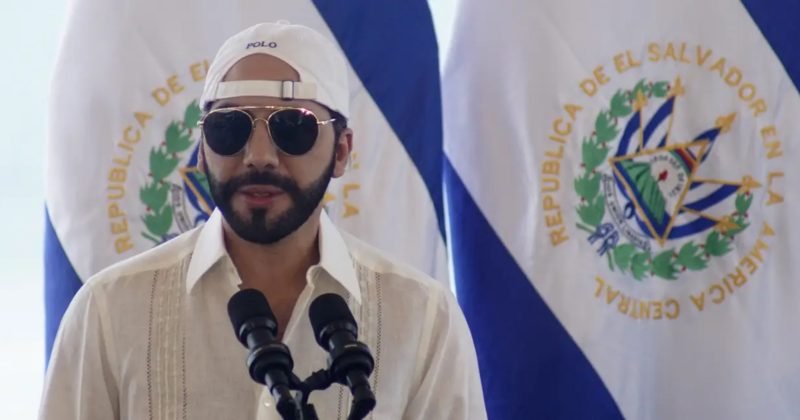
El Salvador's government and startup Modveon have rolled out Sivar, a national payments and community application designed to process remittances using stablecoins on Coinbase's Base blockchain network. Backed by President Nayib Bukele, the application allows users in the United States to send remittances to recipients in El Salvador for a flat $2 fee regardless of the transfer size.[1][4][5][6]
The platform uses Coinbase infrastructure to power onboarding, transfer APIs, and settlement while abstracting digital asset management away from users. Senders in the U.S. fund transfers through debit cards using Coinbase Onramp, while recipients receive the funds into embedded non-custodial wallets and can withdraw cash across more than 1,000 locations in El Salvador. The service takes aim at an enormous remittance market: according to Coinbase, around $9 billion entered El Salvador through remittances in 2025, with roughly 92% originating in the U.S. and supporting an estimated 1.6 million Salvadorans.[5][6]
Alongside money transfers, Sivar features civic and social functionality. Salvadoran users verify their accounts using their national identity card, known as the DUI, enabling them to join district-level communities and vote in polls. Modveon, a Palo Alto company backed by Coinbase Ventures, Firebolt Ventures, and El Salvador's Bitcoin Fund Management Agency (AAB), signed a five-year contract with AAB this month to develop and operate the app. More than 25,000 Salvadorans participated in a phased rollout prior to the national launch.[5][6]
The app's launch comes five years after El Salvador adopted Bitcoin as legal tender in 2021. While Bitcoin remains part of the country's strategic reserve policy, the adoption of dollar-pegged stablecoins on Base allows Salvadorans to transfer and hold digital dollars without taking on cryptocurrency market volatility.[2][5][7]
Key facts
- El Salvador and Modveon launched Sivar, a national app enabling money transfers from the U.S. for a flat $2 fee.
- Sivar settles transfers as stablecoins on Coinbase's Base blockchain network.
- Recipients receive transfers into non-custodial wallets inside the app and can withdraw cash at more than 1,000 Salvadoran locations.
- About $9 billion in remittances entered El Salvador in 2025, with roughly 92% originating in the U.S., according to Coinbase.
- Modveon operates Sivar under a five-year contract with El Salvador's Bitcoin Fund Management Agency (AAB), which is also an investor in Modveon.
- Salvadoran users verify accounts with their national identity card (DUI) to access district-level community forums and polls.
- More than 25,000 Salvadorans signed up for or used Sivar during a phased rollout before its national release.
Sources · 7 sources
- CO
CoinMarketCap@CoinMarketCapPost on X ·
LATEST: 🇸🇻 El Salvador launched Sivar, a national payments app backed by President Bukele that settles remittances as stablecoins on Base for a $2 flat fee. https://t.co/VxnjDnscYI
Open source - CR
CryptoSlate@CryptoSlatePost on X ·
Five years after El Salvador adopted Bitcoin, its new Sivar payments app will settle remittances in dollar-backed stablecoins on Base. Sivar follows MoneyGram’s USDC service, which expanded into El Salvador in April. Bitcoin remains part of the country’s reserve strategy, while these services let recipients hold digital dollars and withdraw cash without taking on Bitcoin’s price swings. https://t.co/WJBQWzY97o
Open source - LS
Laura Shin@laurashinPost on X ·
El Salvador launched Sivar, a national app that lets U.S. residents send money home for a flat $2 fee. Transfers settle in a stablecoin on Base, using Coinbase's payments infrastructure. https://t.co/7IJ0mnPBES
Open source - CB
Crypto Briefing@Crypto_BriefingPost on X ·
🇸🇻TODAY: El Salvador and Modveon have launched Sivar, a national app offering verified communities and $2 flat-fee transfers from the US through stablecoins on Base. https://t.co/4K4hA0e1q7
Open source - CR
CryptoSlateArticle ·
El Salvador targets $9 billion in transfers, but chooses stablecoins El Salvador is turning to stablecoins for remittances, further separating everyday payments from the country's pioneering Bitcoin experiment. Sivar, a new national community and payments app developed by Modveon, will use Coinbase infrastructure to settle transfers in stablecoins on Base , according to a Sept. 29 announcement . Users in the US can fund transfers with debit cards, while recipients in El Salvador receive the value through wallets embedded in the app. The rollout marks an evolution for a country that made Bitcoin legal tender in 2021 partly on the promise that the cryptocurrency could make cross-border payments cheaper. Five years later, El Salvador still promotes Bitcoin , but dollar-backed tokens are increasingly being deployed for payments. Sivar abstracts the crypto infrastructure from users, allowing people unfamiliar with digital assets to send and receive money without managing the underlying blockchain transaction themselves. Coinbase Chief Policy Officer Faryar Shirzad said the economics work because the transfers move entirely in digital dollars. Sivar targets a $9 billion remittance corridor The opportunity is substantial in a country where money sent home by Salvadorans abroad remains a major source of household income. About $9 billion flowed into El Salvador through remittances in 2025, with roughly 92% originating in the US, Coinbase said. An estimated 1.6 million Salvadorans depend on those payments. Sivar will charge a flat $2 per transfer regardless of size, targeting a market where conventional remittance fees can eat into smaller payments. Transactions between verified users will settle in stablecoins on Coinbase's Base network , while recipients can convert their balances to cash at more than 1,000 locations across El Salvador. More than 25,000 Salvadorans had signed up before the launch, according to Coinbase. Each user receives a non-custodial wallet, while Coinbase provides the onramp, transfer APIs, and settlement infrastructure. That approach differs from the government's original Bitcoin push, which required consumers to interact more directly with a volatile asset whose dollar value could change between receipt and spending. Stablecoins preserve the dollar denomination Salvadorans already use while allowing settlement over blockchain networks, removing one of the main frictions that complicated Bitcoin's use as everyday money. MoneyGram and Tether had already moved in Sivar is entering a stablecoin payments market that was taking shape before its launch. MoneyGram expanded its USDC-based stablecoin balance into El Salvador in April through a partnership with the Stellar Development Foundation, Crossmint and Circle . The service allows customers to receive money into a dollar-denominated digital balance, hold it there, and later withdraw cash through MoneyGram locations. El Salvador was the first new Latin American market added after MoneyGram initially introduced the product in Colombia. The company said the broader system spans almost 500,000 retail locations across more than 200 countries and territories, giving stablecoins a bridge into communities where cash remains dominant. Related Reading El Salvador buys the dip defying IMF demands: Over $100M in BTC added as price wobbles The world's largest stablecoin issuer has also planted its corporate flag in the country. Tether relocated its headquarters to El Salvador in 2025 after securing authorization as both a stablecoin issuer and digital-asset service provider. The company said the move would give it a base to develop products aimed at emerging markets and work with local businesses and government institutions. Tether has separately integrated USDT with Bitcoin's Lightning Network, an effort designed to combine dollar-denominated payments with Bitcoin-based settlement infrastructure. Those developments mean El Salvador increasingly hosts competing versions of the same proposition: using blockchain rails to move dollars more efficiently rather than requiring households to assume Bitcoin's price risk . Bitcoin remains, but its role has narrowed Despite this significant stablecoin push, it does not mean El Salvador is abandoning Bitcoin. The country's Bitcoin Office marked the fifth anniversary of adoption this month by highlighting its Strategic Bitcoin Reserve, Bitcoin education in public schools, training for 80,000 civil servants, designated Bitcoin Zones and its CUBO+ developer program. Government data cited by the office puts the country's holdings at about 7,789 BTC. However, the government's ability to keep building that reserve with public money has changed. The International Monetary Fund (IMF) said this month that El Salvador has used no public resources to accumulate Bitcoin since its first program review. The government provided documentation showing subsequent increases came from private donations, and the IMF said it expects no further accumulation beyond documented donations. That follows concessions made under El Salvador's $1.4 billion IMF program. Legal changes removed Bitcoin's essential features as mandatory legal tender, made private-sector acceptance voluntary and required taxes to be paid in US dollars. The state also agreed to wind down its participation in the Chivo wallet, whose majority ownership and operations it has since transferred to a private operator. The result leaves the country's crypto experiment looking different from what it was in 2021. Bitcoin remains embedded in El Salvador's reserve strategy , education programs and national branding, even as public purchases have effectively stopped. Meanwhile, Sivar joins MoneyGram in testing whether stable digital dollars can succeed where everyday Bitcoin adoption struggled for moving money. That division now gives El Salvador a different kind of crypto experiment to prove: whether Bitcoin can remain the strategic asset while stablecoins become the technology people actually use to send dollars home. The post El Salvador targets $9 billion in transfers, but chooses stablecoins appeared first on CryptoSlate .
Open source - UN
UnchainedArticle ·
El Salvador Launches a $2 Remittance App That Settles in Stablecoins El Salvador’s government and the startup Modveon launched Sivar , a national app that charges U.S. residents a flat $2 to send any amount of money to people in El Salvador who have verified their identity. The money moves as a stablecoin on Base , Coinbase’s blockchain. The government and Modveon announced the national launch on Tuesday. Modveon signed a five-year agreement with AAB , a Salvadoran public institution whose full name is the Agencia Administradora de Fondos Bitcoin, or Bitcoin Fund Management Agency. The contract, which took effect this month, puts Modveon in charge of developing the app and running it day to day. AAB is also one of Modveon’s investors, according to the release. The Palo Alto company has raised $10 million , a round it first announced in February, from backers that also include Coinbase Ventures and Firebolt Ventures. Get Unchained’s crypto news in your inbox with the free Unchained Daily newsletter . How the Money Moves Coinbase said its infrastructure handles Sivar’s payments from start to finish. Senders in the U.S. fund a transfer through Coinbase Onramp, every user gets a non-custodial wallet inside the app, and recipients can withdraw cash at more than 1,000 locations across El Salvador. The app keeps the crypto out of view, according to Coinbase. Remittances to El Salvador came to about $9 billion last year, and roughly 92% of that money came from the U.S., the release said . “Salvadorans send billions of dollars home every year, and too much of it disappears into fees,” Faryar Shirzad , Coinbase’s chief policy officer, said in the company’s blog post . Payments are one part of the app. Salvadoran users verify their accounts with the national identity card, known as the DUI, and can then post, join local communities organized down to the district level and vote in polls. More than 25,000 Salvadorans used Sivar during a phased rollout before the launch, Modveon said. Bill payments, merchant payments and payments between citizens and the government are planned, depending on product, partner and regulatory availability. From Bitcoin Law to Stablecoin Rails El Salvador made bitcoin legal tender in 2021 and launched Chivo , a government-sponsored bitcoin wallet. In early 2025, lawmakers amended the Bitcoin Law to make accepting bitcoin voluntary for businesses, a condition of a $1.4 billion loan deal with the IMF, which also said the government’s role in Chivo would be gradually wound down. Stablecoin remittance services have drawn big checks this year. Félix, a WhatsApp-based remittance service for Latinos in the U.S., raised $200 million in equity and credit in September. Andreessen Horowitz led the equity portion. Related Listen: How the Bitget Hack Reopened Crypto’s Fight Over Neutral Infrastructure The post El Salvador Launches a $2 Remittance App That Settles in Stablecoins appeared first on Unchained .
Open source - CB
Crypto BriefingArticle ·
El Salvador rolls out stablecoin app five years after Bitcoin legal tender move El Salvador's stablecoin app could enhance financial inclusion and cross-border transactions, potentially boosting economic connectivity and growth. The post El Salvador rolls out stablecoin app five years after Bitcoin legal tender move appeared first on Crypto Briefing .
Open source