

Bitcoin drops below $83,000 to reach intraday low of $82,775
Bitcoin dropped to an intraday low of $82,775.94 on Sept. 29 amid rising Treasury yields, more than $50 million in crypto liquidations, and mixed macroeconomic data showing cooling job openings alongside elevated consumer inflation expectations.
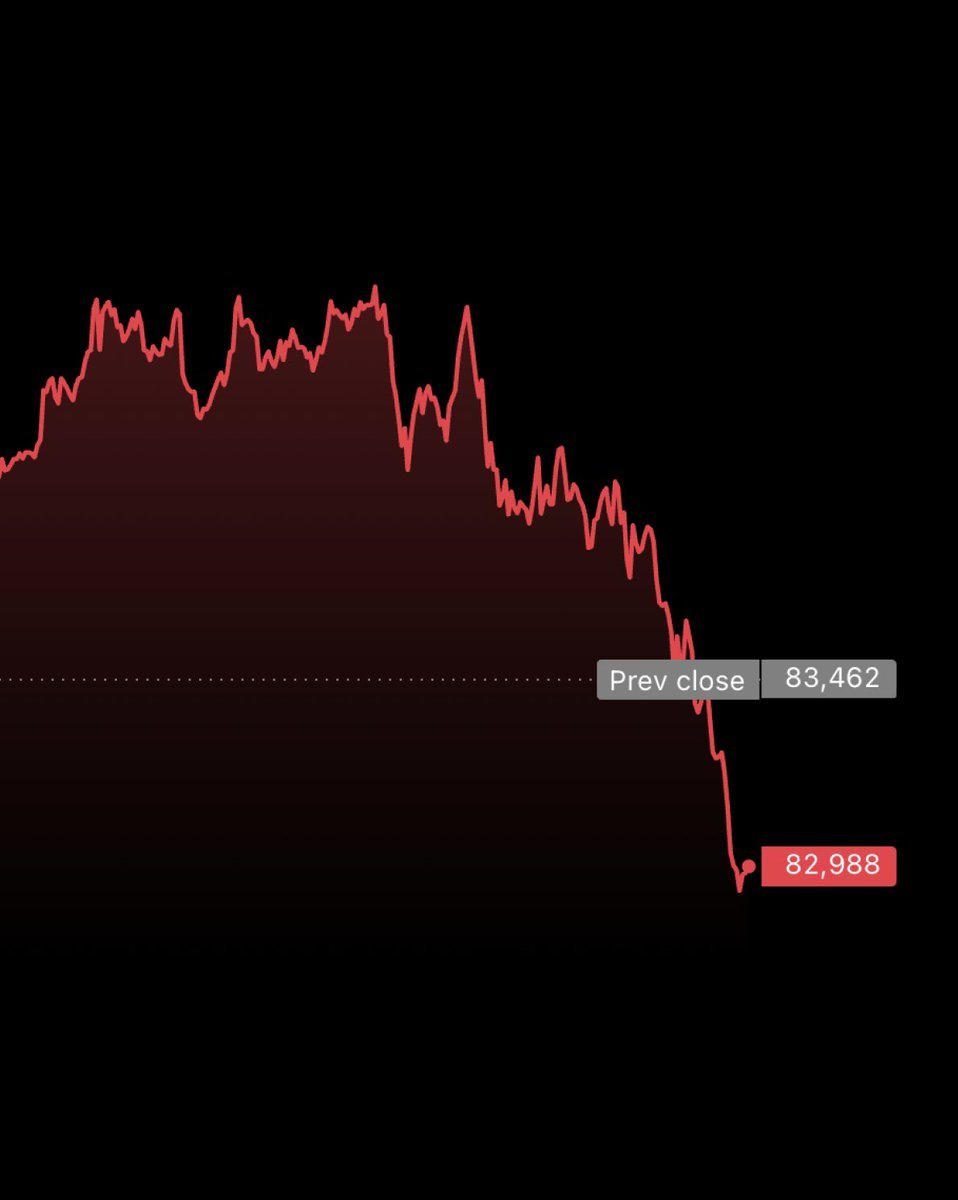
Bitcoin slipped below $83,000 on Tuesday, Sept. 29, hitting an intraday low of $82,775.94 after closing the previous session at $83,462, according to reports from Bitcoin.com News and CryptoSlate. The market decline triggered more than $50 million in liquidated crypto long positions over a four-hour window as Ethereum also fell below $2,700, BlockNews reported.[1][2][3][5]
The slump coincided with rising yields in the bond market. Crypto Briefing reported that the 10-year U.S. Treasury yield climbed to 5.28%, its highest level since 2007, while the 30-year yield reached 5.60%, its highest mark since 2004. BlockNews separately reported that the 30-year yield hit its highest level since 2002. Meanwhile, U.S.-traded spot Bitcoin exchange-traded funds brought in a net inflow of $31 million on Sept. 28, a smaller intake than in each of the previous five sessions, according to Farside Investors data cited by CryptoSlate.[4][3][2]
New U.S. economic data presented a conflicting picture on Tuesday. According to the Bureau of Labor Statistics, August job openings cooled to 7.1 million from a revised 7.3 million in July, while layoffs were essentially unchanged at 1.6 million. In contrast, the Conference Board reported that consumer confidence fell to 81.9 in September, with average 12-month expected inflation rising to 6.1% and 68.4% of surveyed consumers expecting higher interest rates. CryptoSlate noted that neither dataset establishes the cause of Bitcoin's price drop, leaving upcoming PCE inflation figures on Sept. 30 and the September employment report on Oct. 2 as the next economic tests.[2][5]
Key facts
- Bitcoin fell from a previous close of $83,462 to record an intraday low of $82,775.94 on Sept. 29.
- Over $50 million in crypto long positions were liquidated in a four-hour window as Ethereum slipped below $2,700.
- Crypto Briefing reported that the 10-year Treasury yield rose to 5.28% and the 30-year yield reached 5.60%, while BlockNews reported the 30-year yield touched its highest level since 2002.
- August U.S. job openings stood at 7.1 million, down from a revised 7.3 million in July, while layoffs were roughly unchanged at 1.6 million.
- The Conference Board's September consumer confidence index dropped to 81.9, with average expected 12-month inflation rising to 6.1% and 68.4% of consumers anticipating higher interest rates.
- U.S.-traded spot Bitcoin ETFs recorded a net inflow of $31 million on Sept. 28, smaller than each of the five preceding completed sessions.
Sources · 5 sources
- BC
Bitcoin.com News@BitcoinNewsPost on X ·
JUST IN: 🟠 #Bitcoin briefly slips below $83,000, dropping from the previous close of $83,462. https://t.co/AZjt0vymi1
Open source - CR
CryptoSlateArticle ·
Bitcoin drops to $82,000 on US data, and inflation fear is blamed US job openings cooled modestly in August, but September households grew more worried about inflation and interest rates. That split left Bitcoin investors with only part of the case for easier financial conditions after Sept. 29 releases. Bitcoin registered an intraday low of $82,775.94 on Tuesday, and a reclaim of the $84,000 support level depends more on the path of yields and new demand than on a single vacancies report. The labor and consumer surveys describe different pressures, and neither establishes the cause of Bitcoin's price . Job openings ease as rate worries rise According to the Bureau of Labor Statistics, August job openings were little changed at 7.1 million , down from a revised 7.3 million in July. The July figure was revised upward by 64,000, making the comparison less dramatic. Hires changed little at 5.2 million, quits were unchanged at 3.1 million, and layoffs and discharges were essentially unchanged at 1.6 million. The report points to somewhat softer demand for workers, and a slower labor market may ease pressure on interest rates, while a sharp deterioration could also hurt risk appetite. The Conference Board's September consumer confidence index fell to 81.9 from 88.6 in August. Its Expectations Index, based on consumers' short-term outlook for income, business and labor conditions, declined for a third consecutive month to 63.6. Respondents also described the current job market less favorably. Their rate and inflation answers ran counter to a simple “soft jobs, lower yields” interpretation. The share of consumers expecting higher interest rates over the next 12 months rose 5.2% to 68.4%. Average expected inflation over that horizon rose to 6.1%, while the median rose to 5.1%, and both increased 0.3% from August. The survey was conducted Sept. 1-23, a period that included the Federal Reserve's Sept. 16 rate increase to a 3.75%-4.00% target range, which provides context for consumers' answers. Job openings eased to 7.1 million as confidence fell to 81.9 and 68.4% of consumers expected higher rates. The latest posted Treasury daily par yield curve data put the 10-year rate at 5.24% and the two-year at 4.92% on Sept. 28. The observation precedes Tuesday's releases, so it does not measure a bond-market reaction to them. Treasury securities offered substantial yields while Bitcoin itself pays no coupon, so softer hiring would help Bitcoin more if subsequent inflation data gave yields room to fall. Related Reading Why surging US real yields are quietly forcing Bitcoin under $84,000 ETF demand and the next economic tests The Sept. 28 US-traded spot Bitcoin ETF posted a positive net inflow of $31 million, smaller than each of the five preceding completed sessions, according to Farside Investors . Stronger inflows in completed sessions would show buyers returning even while yields remain elevated. If inflows stay subdued, a lower-yield backdrop may matter more for any sustained recovery above $84,000. Neither the prior day's ETF total nor a live Bitcoin quote shows how investors responded to Tuesday's economic releases. The Bureau of Economic Analysis is scheduled to publish August personal income and outlays on Sept. 30, including PCE inflation data, and the September employment report follows on Oct. 2. A cooler inflation reading alongside slower but orderly hiring would strengthen the case for lower Treasury yields. If yields then decline and completed ETF flows improve, Bitcoin could face less competition from interest-bearing assets and firmer evidence of new demand. A hot inflation print or persistently high yields would weaken that case, even if payroll growth slows. A much sharper jobs slowdown could raise its own risks. For now, the labor data show moderation, while the consumer survey shows anxiety about prices and rates. Bitcoin's route back above $84,000 turns on whether forthcoming data and market prices resolve that tension, and whether buyers show up in completed ETF flows. The post Bitcoin drops to $82,000 on US data, and inflation fear is blamed appeared first on CryptoSlate .
Open source - BL
BlockNews@blocknewsdotcomPost on X ·
🚨 JUST IN: Bitcoin drops below $83,000 as Ethereum falls under $2,700. More than $50 MILLION in crypto longs were liquidated over the past four hours as the 30-year U.S. Treasury yield hit its highest level since 2002. https://t.co/r37gSm2l0U
Open source - CB
Crypto Briefing@Crypto_BriefingPost on X ·
📉 NEW: Bitcoin bitcoin:native slips near $83,000 as US Treasury yields reverse higher, with the 10-year climbing to 5.28%, its highest since 2007. The 30-year yield also rises to 5.60%, its highest level since 2004. https://t.co/GwCfEy9nwa
Open source - CR
CryptoSlate@CryptoSlatePost on X ·
Bitcoin hit $82,775.94 on Sept. 29 as US data offered mixed signals: August job openings eased to 7.1 million, while 68.4% of surveyed consumers expected higher interest rates over the next year. Average one-year inflation expectations rose to 6.1%. The surveys do not establish what caused Bitcoin’s decline; the next tests are PCE inflation on Sept. 30 and payrolls on Oct. 2. https://t.co/1N5okHQR13
Open source