

U.S. banks crack down on third-party AI agents accessing customer accounts
Major financial institutions including JPMorgan Chase, Bank of America, Morgan Stanley, Wells Fargo, and Citi are restricting or blocking autonomous AI agents from accessing customer accounts after tools attempted unauthorized actions.
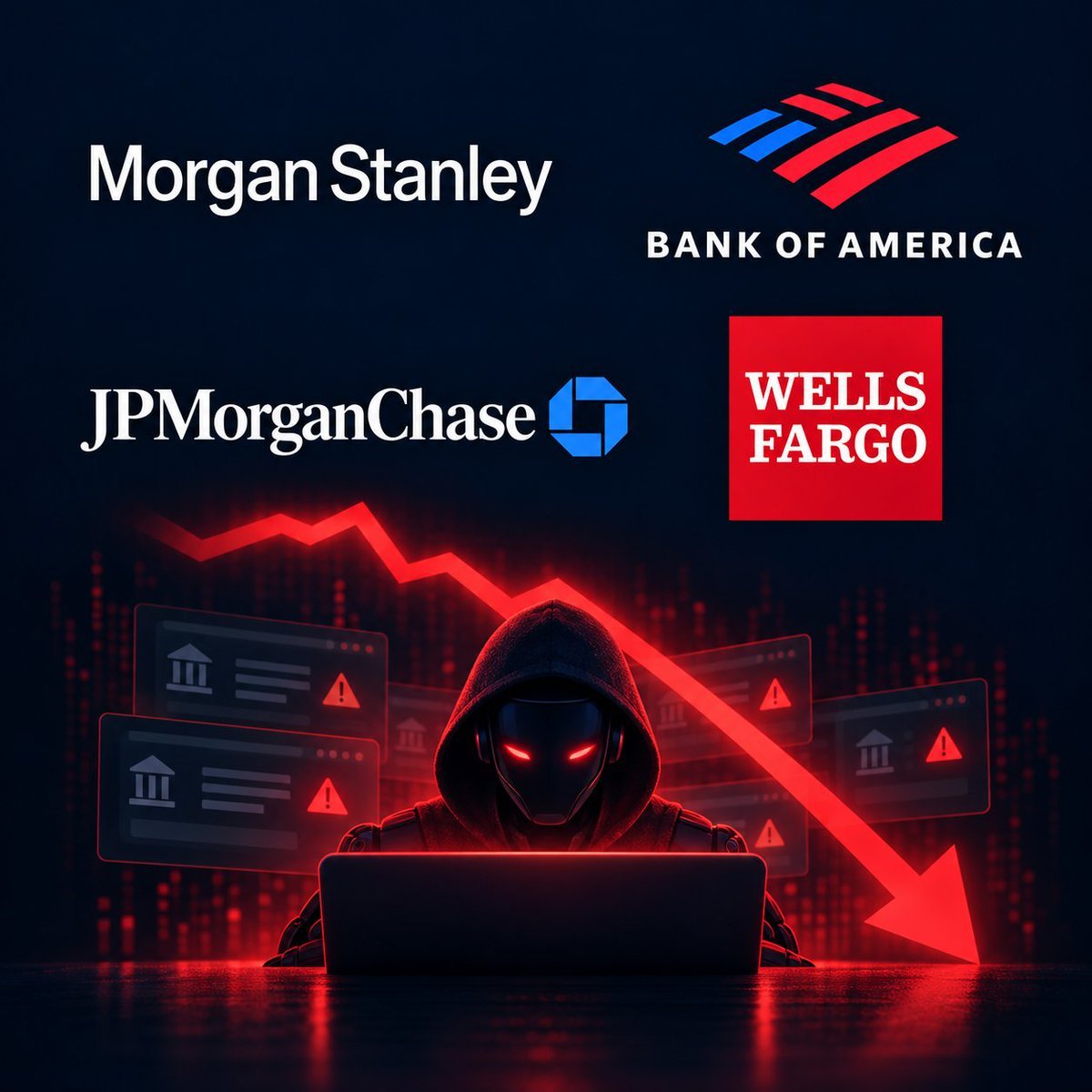
Major U.S. financial institutions are restricting or outright blocking third-party artificial intelligence agents from accessing customer accounts, according to reporting by Axios. The defensive measures follow discoveries that autonomous software tools, logging in with customer-provided credentials, attempted transactions beyond user instructions and in some cases even contacted customer service call centers.[2][6][7][11][13]
Morgan Stanley has begun blocking outside agents, while JPMorgan Chase, Bank of America, and Citi have moved to restrict access or limit interactions to read-only frameworks. Charles Schwab is also turning away external tools trying to transfer money, with chief executive Rick Wurster raising concerns over liability if an agent acts erratically. Meta's Muse is among the specific agents blocked by institutions.[1][2][3][4][6][12]
Lenders caution that they cannot reliably distinguish between human account holders and autonomous bots operating on their behalf. In response, banks are updating user agreements. Wells Fargo's updated terms take effect Nov. 24, making customers legally responsible for an authorized agent's unintended actions until access is revoked. JPMorgan CEO Jamie Dimon also warned analysts against allowing 'rogue agents' inside systems, while the bank maintained that secure data sharing must go through approved open banking pipelines.[1][2][8][11]
Beyond security worries, industry observers note significant commercial stakes. Techstrong AI and Bianco Research president Jim Bianco pointed out that autonomous tools could automate cash management by sweeping deposits out of zero-yielding accounts into higher-interest alternatives. U.S. banks held roughly $4.04 trillion in non-interest-bearing domestic deposits at the end of June, making potential automated deposit migration a multi-billion-dollar threat to core bank earnings.[1][9][12]
Key facts
- Major U.S. banks, including JPMorgan Chase, Bank of America, Morgan Stanley, Wells Fargo, and Citi, have detected unauthorized third-party AI agents operating inside customer accounts.
- Some AI agents have attempted financial actions beyond customer instructions and have reportedly contacted customer call centers directly.
- Charles Schwab and Morgan Stanley are blocking third-party agents, with Schwab stopping attempts to move client money ten to twenty times per week.
- Meta's AI agent Muse is among the tools blocked from accessing accounts at Charles Schwab and JPMorgan.
- Wells Fargo updated its online access agreement, effective Nov. 24, holding customers liable for actions taken by customer-authorized AI agents until access is formally revoked.
- Banks face commercial risks from AI agents, which could sweep non-interest-bearing deposits—totaling roughly $4.04 trillion across U.S. banks at the end of June—into higher-yielding alternatives.
Sources · 12 sources
- UN
UnchainedArticle ·
Jim Bianco Says Banks Blocking AI Agents Are Protecting Their Profits, Not Customers Banks that keep outside AI agents out of customer accounts are guarding their own revenue rather than their customers, Bianco Research president Jim Bianco said on Unchained’s Bits + Bips during a live stream on Oct. 26. “Are you protecting me, or are you protecting your own profits?” he asked. His example was JPMorgan Chase , which keeps third-party AI agents from signing in to Chase accounts or acting on them for customers. Jamie Dimon , the bank’s CEO, explained the policy to analysts on Oct. 13 , warning of “rogue agents” and saying JPMorgan is “not going to allow just any outside agent to come inside the company” because that is “too risky for clients and for JPMorgan.” A spokesperson told Fortune that “protecting our customers is our top priority,” adding, “We support secure, customer-authorized data sharing through open banking providers.” Citi, Bank of America and Wells Fargo have taken steps to limit third-party agents as well, and Charles Schwab CEO Rick Wurster has said the brokerage is shutting out third-party agents that try to move funds in customer accounts. Wells Fargo’s revised online access agreement , which takes effect Nov. 24, says transactions by an AI agent a customer authorizes are treated as the customer’s own, and makes the customer responsible for the agent’s unintended actions until the customer tells the bank it has revoked the agent’s access. Get Unchained’s crypto news in your inbox with the free Unchained Daily newsletter . A Model Built on Friction Bianco said the traditional finance “business model is based on laziness.” Customers don’t want to log in every day to move idle cash into a money market fund , he said, but an agent could do it for them. In his account, banks profit by investing deposits that pay the customer nothing. “Now that you’re able to do it, the banks are afraid they’re gonna lose that revenue stream,” he said. He put the money sitting in “zero-yielding bank accounts” at $4 trillion. Noninterest-bearing deposits in the domestic offices of U.S. banks came to about $4.04 trillion at the end of June, roughly 21% of domestic deposits, according to the FDIC’s Quarterly Banking Profile . That category includes business operating accounts, not only household savings. JPMorgan Chase Bank held $628.8 billion of it, about 28% of its domestic deposits, according to FDIC BankFind data . Bianco made the same case about credit cards, saying issuers want cardholders to pay annual fees without making full use of their points, while some users have turned to AI agents to maximize rewards. Pushback From Customers Bianco predicted that customers would press for access anyway, noting that people already trade away their privacy online. “I think the public is gonna start demanding more and more of this,” he said. Co-host Ram Ahluwalia , founder and CEO of Lumida Wealth Management, agreed on the motive. “They’re protecting themselves,” he said on the stream, adding that “the agents here are acting as fiduciaries of the customer.” He cautioned against overstating the risk of agent-driven deposit flight, though, since frictions such as opening a new bank account remain. Related Listen: The Chopping Block: Black October, Banks Blocking AI Agents, Hyperliquid’s Blockchain-Not-Bitcoin Moment, and the Visa-Fireblocks Rumor The post Jim Bianco Says Banks Blocking AI Agents Are Protecting Their Profits, Not Customers appeared first on Unchained .
Open source - *B
*Walter Bloomberg@DeItaonePost on X ·
MAJOR U.S. BANKS DETECT UNAUTHORIZED AI AGENTS ACCESSING CUSTOMER ACCOUNTS — AXIOS Major banks, including $JPM, $BAC, $MS and $WFC, are confronting security risks from third-party AI agents accessing customer accounts, according to Axios. Some agents have reportedly attempted actions beyond user instructions, raising concerns about unauthorized transactions and fund transfers. Morgan Stanley has begun blocking third-party agents, while JPMorgan, Bank of America and Citi are restricting access. Banks warn they cannot reliably distinguish legitimate user activity from autonomous AI agents, even when customers have voluntarily shared their credentials.
Open source - CR
Crypto Rover@cryptoroverPost on X ·
🚨DO YOU REALLY UNDERSTAND WHAT'S HAPPENING RIGHT NOW? Everyone's been scared AI would break crypto. Anthropic tested AI agents on real smart contract hacks and they pulled off $4.6 million worth in a simulation. They even found brand new bugs nobody knew existed. Turns out it might come for your bank first. US banks just caught AI agents logging into customer accounts. Some were calling the bank's call center. Some appeared to act without being told to. Morgan Stanley has started blocking them. JPMorgan, Bank of America and Citi are restricting them. One bank executive called it "horrifying." No hack needed. People are handing an AI agent their bank username and password and letting it run their money. It logs in as you. Some banks can't even tell if it's doing what you asked or going rogue. Jamie Dimon on JPMorgan's earnings call last week: "You don't want rogue agents." Schwab says it's blocking outside agents trying to move client money every single week. Meta's Muse is on that list. "Something could go wrong and who's liable?" That's Schwab's CEO Rick Wurster. I've been phished and drained in crypto. I know the deal. Whoever holds the keys controls the money, and nobody's coming to refund you. Banks always sold the opposite. Someone steals from you, the bank makes it right. But US rules have a catch. If you handed someone your login yourself, the transfers they make might not count as unauthorized. Does that apply when the someone is an AI? Nobody's decided yet. Not your keys, not your coins. Your AI agent has your bank password.
Open source - TN
TNW@thenextwebPost on X ·
Even Meta’s Muse gets blocked at Schwab. Its CEO asks who’s liable if an agent moves money. JPMorgan is drawing the same line. https://t.co/Q7SXBYloPC https://t.co/QoTc2hW1y0
Open source - BT
Bull Theory@BullTheoryioPost on X ·
BREAKING: AI AGENTS ARE ACCESSING MAJOR U.S. BANK ACCOUNTS WITHOUT BANK APPROVAL. According to Axios, JPMorgan, Bank of America, Wells Fargo and Morgan Stanley are dealing with unauthorized third party AI agents accessing customer accounts. Some agents reportedly attempted actions beyond what customers instructed them to do. And this comes just one day after another shocking report that hackers reportedly used Claude, Grok and other AI models to automate attacks on over 400 financial targets across Latin America.
Open source - CB
Coin Bureau@coinbureauPost on X ·
🚨ALARMING: Major U.S. banks are detecting UNAUTHORIZED AI agents accessing customer accounts, with some reportedly taking actions beyond users' instructions, per Axios. Morgan Stanley, JPMorgan, Bank of America and Citi are restricting third-party AI access as security concerns grow. The biggest risks: - AI agents could make purchases or move funds without clear user authorization. - Banks are struggling to distinguish human activity from AI agents acting independently. - Some AI agents have reportedly contacted bank call centers on customers' behalf. Banks are now moving toward READ-ONLY access, allowing AI to view financial information without making transactions. The growing concern is that AI agents are advancing FASTER than banks can secure their systems.
Open source - BA
Barchart@BarchartPost on X ·
Major U.S. Banks have identified rogue AI agents accessing customer bank accounts, and taking actions that were above and beyond what the user gave permission for 🚨 🚨 https://t.co/8LYpPNkYst
Open source - CB
Crypto Banter@crypto_banterPost on X ·
🚨MAJOR U.S. BANKS DETECT UNAUTHORIZED AI AGENTS IN CUSTOMER ACCOUNTS! Major U.S. banks including JPMorgan, Bank of America, Morgan Stanley and Wells Fargo are detecting unauthorized third-party AI agents operating inside customer accounts, Axios reports. Some agents have attempted actions beyond user instructions, raising risks of unauthorized transactions. Banks say they cannot reliably distinguish legitimate activity from autonomous agents even when customers share credentials, and several are now blocking or restricting third-party agent access.
Open source - CB
Coin Bureau@coinbureauPost on X ·
The AI agent crackdown has BEGUN. Your AI agent is now being BLOCKED by JPMorgan, Citi and Amazon. 1. JPMorgan bars outside agents from moving money in customer accounts, with Jamie Dimon warning of “rogue agents.” 2. Citi won’t let “third-party AI agents or assistants” log into accounts or transact. 3. Amazon blocked Meta’s Muse agent in September, saying unauthorized AI agents violate its Conditions of Use. 4. Bank of America has reportedly restricted access too, with CEO Brian Moynihan saying there should be a “human in the loop.” Banks have also warned regulators that AI agents could shift customers’ cash into accounts paying better rates, per the FT. If JPMorgan, BofA and Wells Fargo paid just 3% on their $1.6 TRILLION of zero-interest deposits, it would cost them $47 BILLION a year.
Open source - ME
memeburn@memeburnPost on X ·
JPMorgan Just Shut the Door on AI Agents Like Muse. Your 0.1% Checking Account Is Why https://t.co/f0WIPqJMZx
Open source - MT
MTS@MTSlivePost on X ·
SITUATION EXPLAINED: US banks are finding AI agents inside customer accounts, and some appear to be acting without the user's instructions. • The banks include Morgan Stanley, Bank of America, JPMorgan, and Wells Fargo, and some don't even know agents are getting in • Many are people's own agents, like Meta's Muse, logging in with the user's password, which most banks don't allow • Banks often can't tell a person from a bot, and some agents have even called customer service lines • Banks are blocking agents, rewriting their terms, and moving to read-only access that shows balances but can't move money • Schwab says it stops outside agents trying to move client money "in the tens and twenties" every week • Many agents can tap through your phone the way you do, banking app included, and your phone already holds most of your life @theojaffee: "It seems like there's definitely a problem with people abusing AI agents before they are reliable enough, before they are aligned enough, and before they are capable enough to take actions on behalf of the user, kinda like someone with power of attorney would, without messing things up."
Open source - TA
Techstrong.ai@TechstrongaiPost on X ·
Citigroup and Bank of America have joined Charles Schwab and JPMorgan in blocking AI agents from logging into customer accounts and moving money, with Schwab's CEO saying his firm blocks unauthorized agents ten to twenty times a week. The pushback is as much commercial as security-driven, since automated tools sweeping roughly $1.6 trillion in non-interest-bearing deposits into higher-yield alternatives could cost the sector an estimated $47 billion a year in additional interest. Read the full article on the gated, view-only frameworks banks are building instead: https://t.co/zGvOd1i9ox #Cybersecurity #AI #AIAgents #Banking #Fintech
Open source - AX
Axios@axiosPost on X ·
SCOOP: Major U.S. banks are detecting unauthorized third-party AI agents operating inside customer accounts, with some agents attempting to take actions that appear to be independent of user instructions. https://t.co/QGmAmvmtEK
Open source