

Starknet weighs transition to independent Layer 1 blockchain to pursue quantum resistance
Starknet and StarkWare CEO Eli Ben-Sasson revealed the network is considering migrating from an Ethereum Layer 2 to an independent Layer 1 blockchain, targeting 2027 to become fully quantum-resistant.
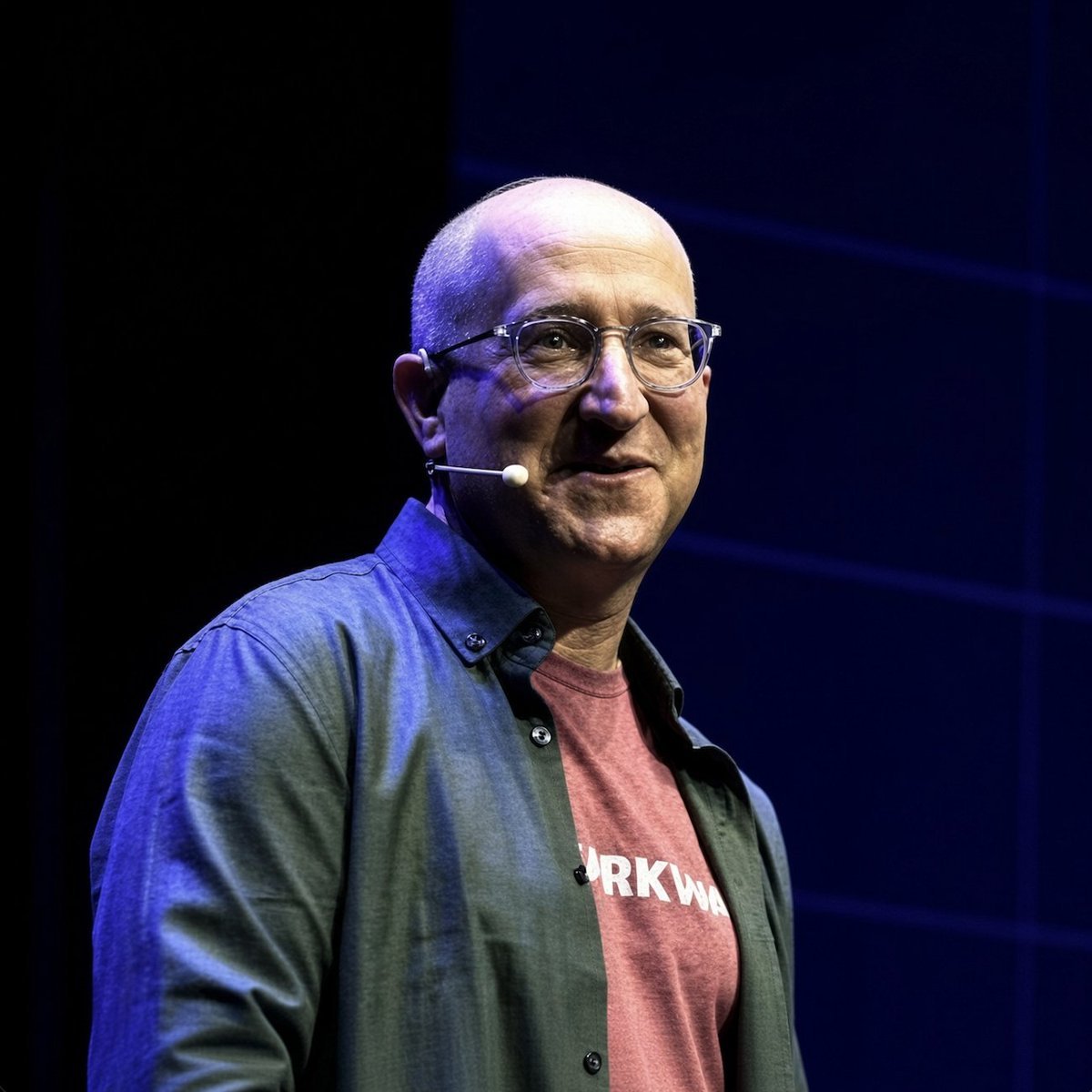
Starknet is actively considering migrating from an Ethereum Layer 2 to an independent Layer 1 blockchain, StarkWare CEO and Starknet co-founder Eli Ben-Sasson disclosed on Thursday at the Token2049 conference in Singapore. Starknet confirmed the prospective move on X, pointing to 2027 as its target to become the first fully quantum-resistant public base layer while taking direct control of its security upgrades.[1][2][3][4]
Ben-Sasson cited dual pressures from advancing quantum computing and artificial intelligence as threats to legacy elliptic-curve cryptography, stating the situation demands bunker mode. Outlining three core pillars to future-proof a network—the right cryptography, crypto agility, and becoming an L1—he argued that blockchain ecosystems must adopt defensive postures more urgently than Ethereum can accommodate through its multi-year consensus migration plan.[1][2][3]
Starknet currently relies on Ethereum for underlying security and posts its state data to the chain as blobs. StarkWare previously published a three-phase post-quantum roadmap on June 30 detailing transitions to BLAKE2 hashing and post-quantum consensus signatures such as Falcon-512, but that document did not mention an L1 transition. Any protocol-level changes remain subject to Starknet's governance process, and neither Ben-Sasson nor Starknet provided a timetable for a formal decision.[2][4]
Key facts
- Starknet is actively considering migrating to an independent Layer 1 blockchain, aiming to deploy by 2027 as the first fully quantum-resistant network.
- StarkWare CEO Eli Ben-Sasson revealed the plan at the Token2049 conference in Singapore on October 8, 2026.
- Ben-Sasson stated that quantum computing and AI developments threaten legacy elliptic-curve cryptography and require faster defensive moves than Ethereum's multi-year consensus roadmap allows.
- Starknet operates as a Layer 2 network that relies on Ethereum's security and publishes its state data to Ethereum as blobs.
- StarkWare published a three-phase post-quantum roadmap on June 30 incorporating BLAKE2 hashing and Falcon-512 signatures, but it did not propose becoming a Layer 1.
- All protocol-level changes to Starknet require governance approval, and no timeline has been set for deciding on the Layer 1 proposal.
Sources · 4 sources
- BS
BSCN@BSCNewsPost on X ·
Starknet is considering Exiting Ethereum @Starknet disclosed that it is considering an architecture migration to become a Layer-1 network, with deployment planned for 2027. @Starkware’s CEO @EliBenSasson revealed the move at the Token2049 conference in Singapore on October 8, 2026, aiming to build the first-ever quantum-resistant public base layer. Ben says the rapid development of quantum computing and artificial intelligence poses real dangers to legacy elliptic-curve cryptography. Additionally, networks must take defensive positions more urgently than Ethereum can through its multi-year consensus migration plan.
Open source - UN
UnchainedArticle ·
Starknet Weighs Becoming a Layer 1 to Chase Quantum Resistance by 2027 Starknet is “actively considering becoming an L1,” the network said in a post on X on Thursday. The move would let Starknet become “the first fully quantum-resistant network,” according to the post, which set 2027 as the target. Starknet is currently a layer-2 network that publishes its state data to Ethereum as blobs, according to its own post-quantum roadmap . Ben-Sasson Frames the Question Eli Ben-Sasson, co-founder and CEO of StarkWare , put the idea to his followers minutes earlier. He asked whether “Starknet becoming an L1 for post-quantum agility” is a good idea or a bad one. He pointed to two pressures. The first is the quantum threat, which he said “may be MUCH closer than we think.” The second is AI, which he said is “becoming more powerful than we can process.” Together, he wrote, they call for “bunker mode.” Ben-Sasson listed three requirements for a chain to be future-proofed: the right cryptography , crypto agility and becoming an L1. He said the post connects to a talk he gave at Token2049 on Thursday. The Existing Quantum Roadmap StarkWare published a three-phase post-quantum roadmap for Starknet on June 30. The first phase replaces Pedersen hashing with BLAKE2 across the state, chain environment and consensus layers, and plans consensus signatures built on post-quantum schemes such as Falcon-512 . The second phase covers migrating existing contracts. The third phase covers two dependencies on Ethereum, the bridge’s messaging layer and blob data availability. StarkWare said in the roadmap that those “will be resolved as Ethereum’s migration progresses.” The roadmap did not mention becoming an L1. The roadmap also said that all protocol-level changes to Starknet are subject to approval through its governance process. Neither Thursday post said whether or when a decision on the L1 idea would be taken. Related Listen: How Zcash and NEAR Are Driving This Crypto Bull Run The post Starknet Weighs Becoming a Layer 1 to Chase Quantum Resistance by 2027 appeared first on Unchained .
Open source - DN
DEGEN NEWS@DegenerateNewsPost on X ·
NEW: ETHEREUM L2 @Starknet CONSIDERING BECOMING AN L1 BECAUSE OF QUANTUM THREAT AND AI https://t.co/5aNIrtniHl
Open source - TB
The Block@TheBlockCoPost on X ·
THE BLOCK: Starknet is considering becoming an independent Layer 1 blockchain to control its own security upgrades, co-founder Eli Ben-Sasson said. The Layer 2 currently relies on Ethereum's underlying security, and Ben-Sasson said Starknet could become quantum-resistant by 2027.
Open source