

Trezor discloses shipping partner breach exposing 27,000 customer orders
Cryptocurrency hardware wallet manufacturer Trezor revealed a security breach at logistics partner Skladon that exposed contact and order details from roughly 27,000 purchases.
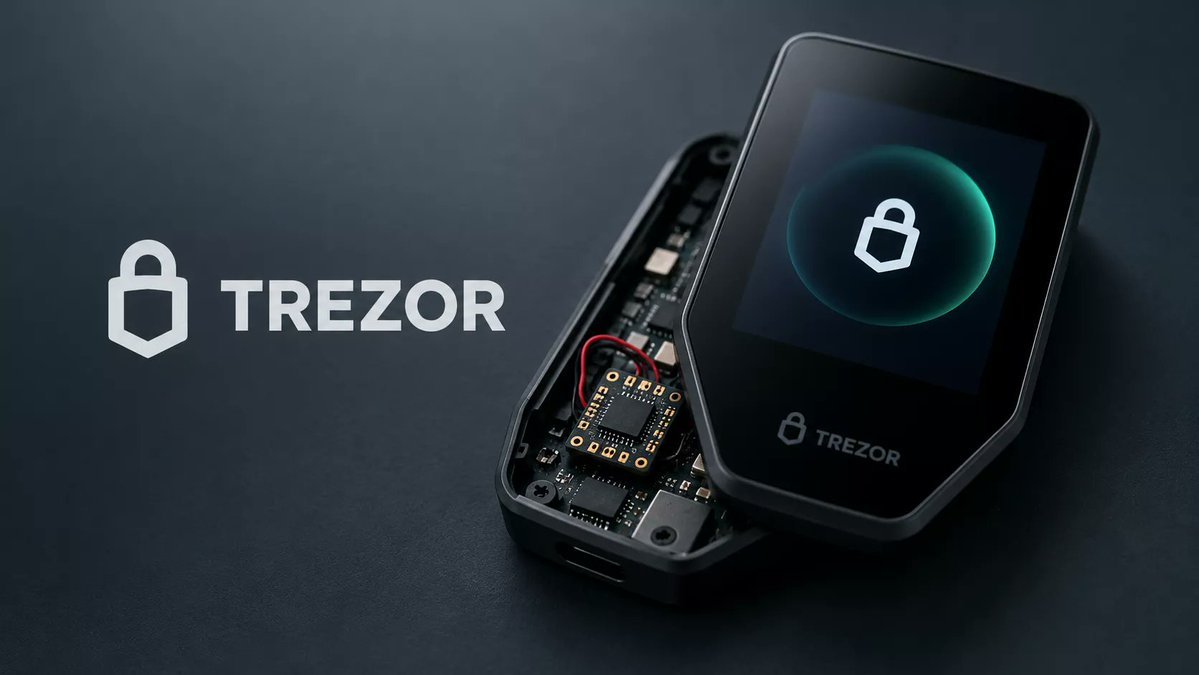
Hardware wallet maker Trezor announced that delivery partner Skladon suffered a security breach on Nov. 7, resulting in an unauthorized third party accessing and exporting customer records from roughly 27,000 orders placed between Aug. 9 and Nov. 7. Skladon notified Trezor of the intrusion on Nov. 15. The exposed information includes full names, delivery addresses, phone numbers, email addresses, and order details such as items purchased and amounts paid.[1][2][3]
Trezor emphasized that its internal systems were not compromised and that customer devices remain secure, noting that neither Trezor nor Skladon holds wallet backups, device PINs, or passphrases. U.S. customers were not affected by the incident because Skladon does not handle shipments to the United States. However, Trezor warned users to stay vigilant against phishing scams and potential physical security threats, confirming that some buyers have already reported scam calls.[1][3][4]
According to Trezor chief commercial officer Danny Sanders, letters containing QR codes have also begun arriving to some customers. Sanders pointed to the risks of data enrichment, in which attackers cross-reference leaked details across multiple breaches. The incident marks Trezor's second fulfillment partner breach in recent months, following an August disclosure involving ShipMonk. In response, Trezor is reducing its order-data retention window from 90 days to 45 days, has launched anonymous parcel pickup in 18 European countries, and has notified the relevant data protection authority.[3][4][5]
Key facts
- Delivery partner Skladon was breached on Nov. 7 and informed Trezor of the unauthorized access on Nov. 15.
- An attacker exported personal data linked to roughly 27,000 orders placed between Aug. 9 and Nov. 7, including customer names, phone numbers, delivery addresses, emails, and purchase amounts.
- Trezor stated its own systems and hardware wallets were not compromised, and sensitive credentials like PINs, passphrases, and wallet backups were not exposed.
- U.S. customers were not affected by the breach because Skladon does not ship to the United States.
- Trezor warned of phishing and physical security risks, noting that some customers have already received scam calls and deceptive letters containing QR codes.
- The breach follows an earlier compromise of fulfillment partner ShipMonk disclosed in August.
- Trezor is reducing order-data retention to 45 days from 90, has introduced anonymous locker pickup in 18 European countries, and reported the incident to the data protection authority.
Sources · 5 sources
- DE
Decrypt@DecryptMediaPost on X ·
Trezor Believes Attacker Exported Data From About 27,000 Orders In Shipping Partner Breach. Trezor said the data includes names, phone numbers, addresses, emails and order details from orders placed Aug. 9 to Nov. 7, its own systems weren't compromised, and Skladon doesn't ship to the US.
Open source - WB
Wu Blockchain@WuBlockchainPost on X ·
Trezor Says Shipping Partner Data Breach Exposed 27,000 Customer Orders Trezor, a leading cryptocurrency hardware wallet manufacturer, disclosed that a breach at shipping partner Skladon exposed personal information linked to approximately 27,000 orders placed between August 9 and November 7. Skladon notified Trezor on November 15 that attackers had accessed its systems and were believed to have exported customer names, phone numbers, addresses, emails and order details. The breach affected multiple countries but not U.S. customers. Trezor said its own systems and hardware wallets remained secure, warning users of phishing scams and potential physical security risks.
Open source - UN
UnchainedArticle ·
Skladon Breach Exposes Trezor Buyers’ Names, Phone Numbers and Delivery Addresses Hardware wallet maker Trezor disclosed on Nov. 16 that Skladon , one of its shipping partners, was breached on Nov. 7, and that it believes the attacker exported data on roughly 27,000 purchases made from Aug. 9 through Nov. 7. Skladon told Trezor about the unauthorized access on Nov. 15, eight days after the breach, according to the post. The exposed fields are full names, phone numbers, delivery addresses, email addresses and order details, including what each customer bought and paid. Trezor said wallet backups, device PINs (personal identification numbers) and passphrases were not involved, since neither it nor Skladon holds them, and it said in the blog post that “Trezor systems were not compromised, and your device is secure.” Get Unchained’s crypto news in your inbox with the free Unchained Daily newsletter . Scam Calls Already Reported In a questions-and-answers section of the blog post, Trezor said, “Some customers have already reported scam calls.” It warned that scammers may cite real order details and asked affected buyers to “be alert to potential risks to your physical security.” Danny Sanders, Trezor’s chief commercial officer, wrote in an X Article the same day that letters carrying QR (quick response) codes are also arriving and “some of our customers are already receiving those.” He described data enrichment, in which criminals match an email address from one leak with a phone number and home address from others. “In the worst case, someone shows up at the door,” he wrote. Second Fulfillment Partner Hit “In August, our fulfilment partner was breached, and today another one,” Danny wrote in his Monday article. The August incident was at ShipMonk , which Trezor first disclosed on Aug. 13 and later said had kept records on about 67,000 more US customers that ShipMonk had assured Trezor in writing were deleted. Danny added in the same article that Trezor had also been hit through a “third party e-mail provider,” which he did not name. Anonymous Pickup and Shorter Retention Trezor said it is in the process of cutting its order-data retention to 45 days from 90. By Unchained’s count, the exposed window of Aug. 9 to Nov. 7 spans 90 days, the length of the retention period now in place. Some buyers from Aug. 9 to 14 could not be emailed because their details had already been anonymized under that policy, the company said. Trezor also opened Anonymous Pickup in 18 European countries, letting buyers order with “a nickname and an email address” and collect the parcel from a locker or pickup point. Danny called a US version the company’s “highest priority” but gave no date. Trezor said it has alerted the data protection authority, and it is re-examining which outside vendors it works with and the security standards it holds them to. Related Listen: Crypto Kidnappings and Physical Attacks Are on the Rise—Here’s How to Stay Safe The post Skladon Breach Exposes Trezor Buyers’ Names, Phone Numbers and Delivery Addresses appeared first on Unchained .
Open source - TB
The Block@TheBlockCoPost on X ·
THE BLOCK: Trezor says a breach at shipping partner Skladon exposed names, home addresses and other personal details of roughly 27,000 orders. The hardware wallet maker warned of phishing and potential physical security risks, with some customers already reporting scam calls. Trezor said its systems and devices weren’t compromised. This marks the second shipping partner breach to expose Trezor customer data since August, when a leak at ShipMonk affected nearly 14,000 customers.
Open source - CB
Crypto Banter@crypto_banterPost on X ·
🚨TREZOR DISCLOSES DATA BREACH AT SHIPPING PARTNER SKLADON! @Trezor said one of its delivery partners, Skladon, notified it that an attacker accessed Trezor order data, with details from about 27,000 orders exported. The data covers orders placed between August 9 and November 7 and includes names, phone numbers, addresses, emails, and order details. Trezor systems were not compromised and devices remain secure. U.S. customers are unaffected, as Skladon does not ship there. The company is shortening data retention and has launched anonymous pickup in 18 European countries.
Open source