
South Korea unveils Digital Asset Act to lift 2017 ICO ban and regulate stablecoins
South Korea's Financial Services Commission has released a draft Digital Asset Act that would legalize initial coin offerings for the first time since 2017, cap crypto exchange ownership, and allow won-backed stablecoins via bank-majority consortia.
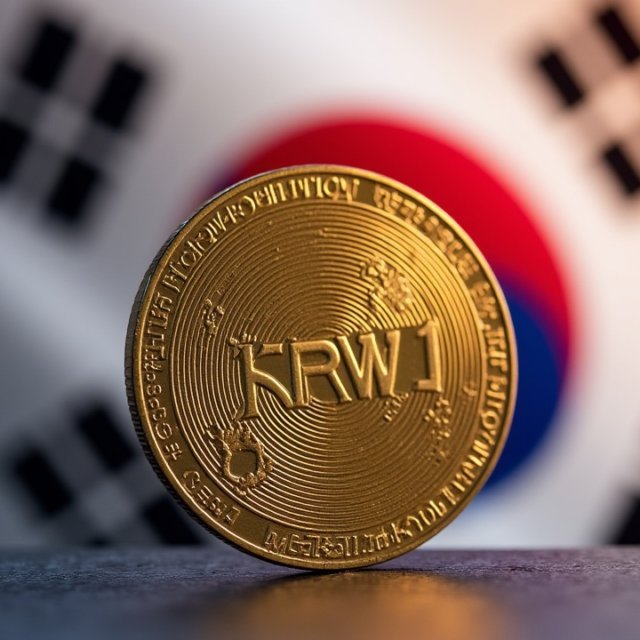
South Korea's Financial Services Commission has unveiled the draft of its comprehensive Digital Asset Act, sending the legislation to the National Assembly for legislative review. The landmark bill would lift the country's prohibition on domestic initial coin offerings, which has been in place since 2017, while requiring token issuers to file a whitepaper with financial regulators.[1][3][6][7]
Under the proposed framework, South Korea would also permit market makers on digital asset exchanges and establish strict limits on exchange governance. Major shareholder equity in cryptocurrency exchanges would be capped at 20% in principle, with exemptions of up to 34% permitted subject to regulatory approval. Existing exchanges would receive a three-year grace period to adjust their ownership structures.[1][3][4]
The bill also outlines a bank-centered consortium system for won-denominated stablecoins. Issuing consortia would require banks to hold more than 50% combined ownership, though technology and fintech companies could serve as the largest individual shareholder. In addition, issuers would be required to maintain at least 5 billion won in capital and 100% reserve backing.[1][2][3][5]
Key facts
- South Korea's Financial Services Commission unveiled its draft Digital Asset Act, which has been submitted to the National Assembly.
- The bill would lift South Korea's ban on initial coin offerings in place since 2017, requiring issuers to file a whitepaper with regulators.
- Major shareholders of crypto exchanges would be capped at 20% in principle, with an exception up to 34% possible with regulatory approval.
- Existing cryptocurrency exchanges would be given a three-year grace period to comply with the ownership caps.
- Market makers would be legally permitted to operate on domestic crypto exchanges.
- Won-backed stablecoins would be issued by consortia where banks hold majority ownership, though tech or fintech firms may be the single largest shareholder.
- Stablecoin issuers would be required to hold at least 5 billion won in capital and maintain 100% reserve backing.
Sources · 6 sources
- TB
The Block@TheBlockCoPost on X ·
THE BLOCK: The South Korean government has unveiled the Digital Asset Basic Act — its comprehensive legal framework for crypto. The bill would allow ICOs and market makers on crypto exchanges, and establish a bank-centered consortium system for the issuance of local currency stablecoins. It also caps a major shareholder stake in an exchange to 20%. The government's draft text now heads for further discussion at the country's legislature.
Open source - TM
That Martini Guy ₿@MartiniGuyYTPost on X ·
South Korea is preparing to allow domestic won-backed stablecoins under a new regulatory framework. The government draft initially requires issuing consortiums to have banks holding more than 50% combined ownership. But here's an interesting detail. Fintech and technology companies can still become the largest individual shareholder, provided banks collectively maintain majority ownership. Issuers will need at least 5 billion won in capital and 100% reserve backing. I think this is a significant step for stablecoin adoption in Asia. South Korea is trying to bring banks and crypto companies into the same payment infrastructure rather than keeping them separate.
Open source - CB
Crypto Banter@crypto_banterPost on X ·
🚨SOUTH KOREA’S FSC UNVEILS DIGITAL ASSET ACT BILL! South Korea’s Financial Services Commission unveiled its draft Digital Asset Act today. The bill would allow domestic ICOs again after a ban since 2017, requiring issuers to file a whitepaper with the FSC. Won-denominated stablecoins would be issued first by consortia in which banks hold a majority stake, with fintech or technology companies allowed to be the largest single shareholder. Major shareholders of crypto exchanges would be capped at 20% in principle, with an exception of up to 34% possible with FSC approval. Existing exchanges would get a three-year grace period to comply. The bill now heads to the National Assembly.
Open source - CN
crypto.news@cryptodotnewsPost on X ·
JUST IN: South Korea's FSC unveils its Digital Asset Act proposal with stricter rules The bill allows ICOs again after a ban dating back to 2017, gives bank-majority consortia first access to won stablecoin issuance and caps major crypto exchange shareholders at 20% in principle, with exceptions up to 34% subject to approval.
Open source - CO
Cointelegraph@CointelegraphPost on X ·
🇰🇷 LATEST: South Korea’s financial regulator says tech firms can be the top shareholder in a won stablecoin issuer, as long as banks hold a combined majority. https://t.co/U1lgnTvSyB
Open source - CO
Cointelegraph@CointelegraphPost on X ·
🇰🇷 NEW: South Korea's FSC unveils its Digital Asset Act bill. - ICOs allowed again after a ban since 2017 - Won stablecoins to be issued first by bank-majority consortia - Exchange major shareholders capped at 20% The bill now heads to the National Assembly. https://t.co/tui173olPj
Open source - SI
Solid Intel 📡@solidintel_xPost on X ·
INTEL: South Korea unveils bill to lift its ICO ban in place since 2017
Open source