

Brazil's central bank faces pushback over official's stablecoin remarks
Brazilian lawmakers and cryptocurrency industry groups are pressing the central bank to clarify its stance after foreign exchange chief Gerson Romantini said converting legitimate funds into stablecoins amounts to money laundering.
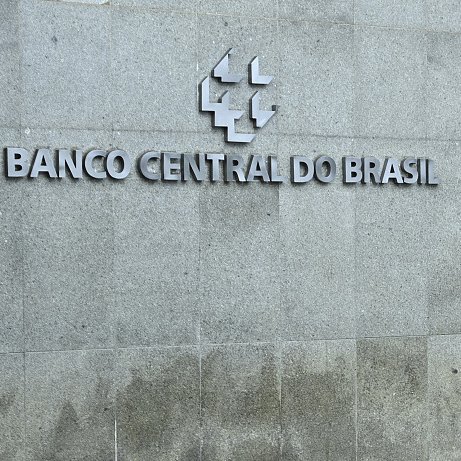
Gerson Romantini, head of the foreign exchange division at the Central Bank of Brazil, said at a closed-door event that legally obtained funds acquire a "dirty money" label when converted into stablecoins, equating the transactions with money laundering, according to a Livecoins report cited by Wu Blockchain. In remarks captured from the event, Romantini said the regulator is closely watching the stablecoin space, describing it as a market that succeeded the informal "dólar cabo" parallel transfer system.[2][4][5]
The comments triggered swift backlash across the cryptocurrency sector. Lawmakers and industry trade groups are demanding the central bank clarify its formal position on stablecoin transactions, arguing that using stablecoins does not inherently make a transfer illegal.[1][4]
Romantini noted that the central bank is especially concerned about stablecoins being used for remittances. The regulatory pressure follows the central bank's Resolution No. 561/2026, which took effect on Oct. 1 and prohibited fintech firms from receiving Brazilian reais, converting them into stablecoins, and routing them to foreign companies for commercial payments or family remittances.[2][3]
Key facts
- Gerson Romantini, head of the foreign exchange division at the Central Bank of Brazil, said converting legitimate funds into stablecoins brands them as "dirty money" and constitutes money laundering.
- Romantini described the stablecoin market as having succeeded the informal "dólar cabo" parallel exchange network.
- Lawmakers and crypto industry organizations called on Brazil's central bank to clarify its stance, stating that stablecoin use alone does not make a transaction illicit.
- The central bank highlighted particular concern over stablecoins playing a role in cross-border remittances.
- Resolution No. 561/2026, effective Oct. 1, barred fintechs from accepting reais, swapping them into stablecoins, and transferring them overseas for payments or family remittances.
Sources · 4 sources
- CN
crypto.news@cryptodotnewsPost on X ·
UPDATE: Brazil's central bank faces growing pressure to clarify its stance on stablecoin transactions Lawmakers and crypto industry groups are demanding answers after foreign exchange chief Gerson Romantini reportedly suggested that converting legitimate funds into stablecoins could amount to money laundering, arguing that stablecoin use alone does not make a transaction illicit.
Open source - WB
Wu Blockchain@WuBlockchainPost on X ·
Brazil Central Bank FX Official: Converting Legitimate Funds Into Stablecoins Gives Them a “Dirty Money” Label and Constitutes Money Laundering Gerson Romantini, head of the Central Bank of Brazil’s foreign exchange division, said at a closed-door event that legitimate funds acquire a “dirty money” label when converted into stablecoins and are then considered money laundering, according to Livecoins. He said the central bank is particularly concerned about stablecoins’ role in remittances. The report noted that fintech companies’ practice of receiving reais, converting them into stablecoins and transferring them to overseas companies for payments or family remittances was prohibited under Resolution No. 561/2026, which took effect on Oct. 1.
Open source - CB
Crypto BriefingArticle ·
Brazil’s central bank warns stablecoin conversions may amount to money laundering Brazil's central bank stance on stablecoin conversions could reshape fintech operations, emphasizing stricter compliance and potential market shifts. The post Brazil’s central bank warns stablecoin conversions may amount to money laundering appeared first on Crypto Briefing .
Open source - CO
CoindeskArticle ·
Brazil's central bank faces backlash over stablecoin money laundering remarks A central bank official reportedly said legitimate funds become tainted when moved into stablecoins, comparing the market to the informal "dólar-cabo" system.
Open source - CN
crypto.news@cryptodotnewsPost on X ·
JUST IN: Brazil Central Bank official equates converting legitimate money into stablecoins with money laundering The official argued that turning legally obtained funds into stablecoins effectively makes them "dirty money." https://t.co/YhI3ubx9Bb
Open source